The Color of Hunger and the Shock of Reality: Reflections on Child of the Dark
An analysis of Carolina Maria de Jesus’s work, addressing the gulf between social realities, the state’s inefficiency, and the daily struggle for survival.
The color of hunger and the feeling of lack
Reading Child of the Dark (Quarto de Despejo), Carolina Maria de Jesus’s diary, is an experience of deep confrontation. Describing her routine picking through the city’s garbage, Carolina writes that things turned yellow whenever hunger reached the edge of what she could bear. There’s an interesting parallel to be drawn with the visual style of the film Amarelo Manga (Mango Yellow), where the color also evokes a deep discomfort — there, tied to the absence of change.
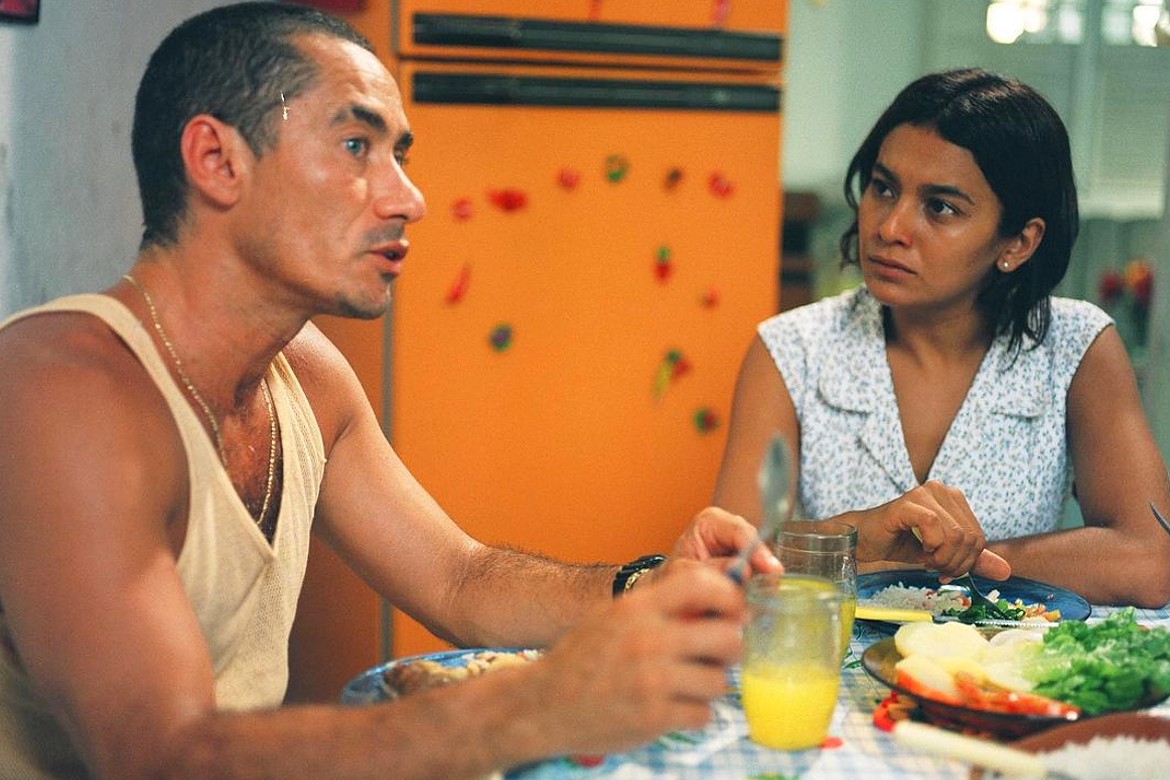 Still from the film Amarelo Manga (2002)
In the book, yellow is the literal color of not having food. In their own ways, both works speak to absence, surfacing the sense that we are always lacking something — even if on drastically different scales.
The gulf between two realities
Making your way through this diary means confronting deep contradictions and reconsidering your own privilege. The social gulf becomes obvious when you set the security and comfort of middle-class life against the harsh story being told. Reading about the difficulty of setting limits with children in a scene of absolute poverty, easy first judgments fall apart. The reality is too harsh to fit the mold of what society understands as conventional parenting.
- The relativity of a dream: In one passage, Carolina describes a terrible night because she dreamed of a proper house with steak and fries, only to wake up in the mud on the banks of the Tietê river with 9 cruzeiros to her name. What is a guaranteed basic for some was, for her, an unreachable peak.
- Dehumanization: The realization that people have to compete for food already gnawed on by rats — at least knowing it hasn't spoiled — lays bare the failure of the structural social model. Society consumes questionable processed food while others scavenge like crows to survive.
- A child's despair: One of the book’s most shocking moments is a child asking her mother to sell her, just so she could have access to a decent meal.
The inefficiency of the state's gaze
A central point in the book is its harsh critique of charitable institutions and social services. Common sense often assumes these structures are enough to support those at the bottom. Carolina proves otherwise: she survives through sheer extreme effort, because the alternative is death. The moment she falls ill and seeks a basic right from social services, spending what little bus fare she had, the state's response is the threat of arrest.
It becomes clear that, from the author's perspective, the system often works not to support, but to hide or punish those it considers marginal. That shift completely changes how we understand the way support networks actually operate in the country.
I haven't finished reading the book yet, but the pages I've read so far already offer reflections dense enough to question the structure of our society and the state's role in the face of human vulnerability.
Brazil needs to be led by someone who has already gone hungry. Hunger is also a teacher. Whoever goes hungry learns to think of others.